

NASHUA, NH – “There seems to be a feeling right now that there’s some kind of dark cloud over the economy. People don’t feel confident,” said James Lawrence, who represents a group of downtown property owners. “Every business owner that I talk to, they say the same thing: ‘We’re down 20 percent year over year. Sales are slow. We’re waiting for things to pick back up.”
Amidst rising costs and financial uncertainty, small business owners are feeling the strain and having to make tough decisions, like where to cut costs, or how to keep up profits without driving away customers with too-high prices.
“We’re kind of required to play on the same playing field as some of the big guys,” said Elissa Drift, owner of Local Street Eats. “I don’t have a competitive edge because, like [when buying bulk items], I have to pay more money for smaller quantities. So it becomes this big challenge and this really big dance of how to maintain a good business model and keep up with the Joneses and also do something unique.”
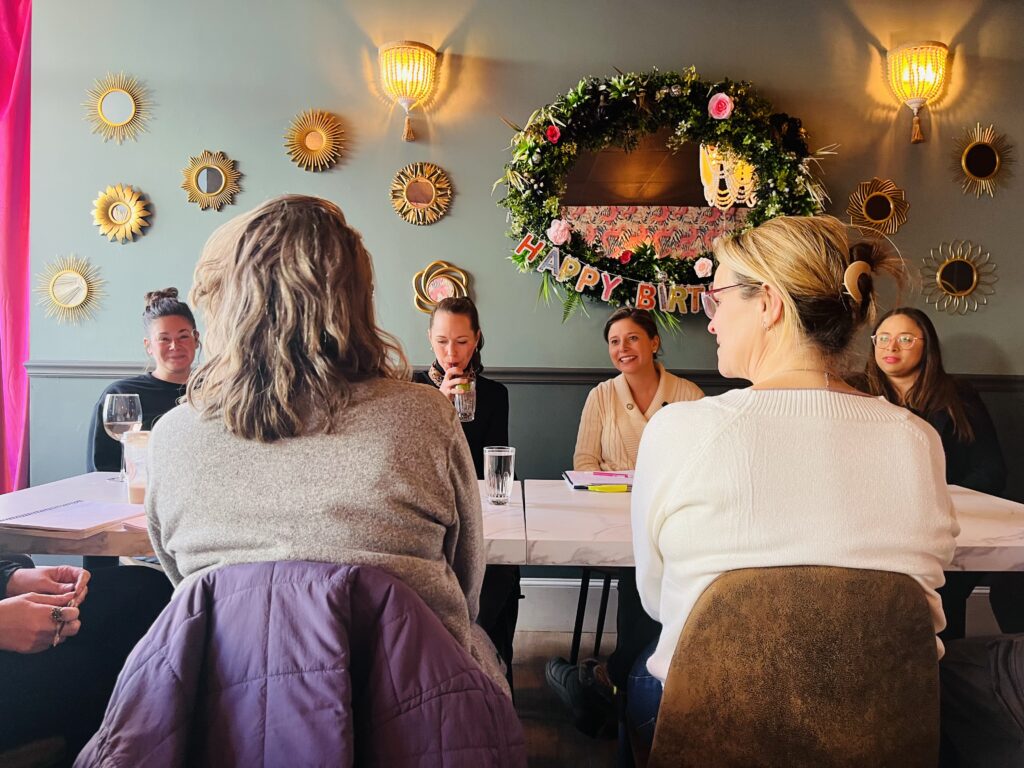
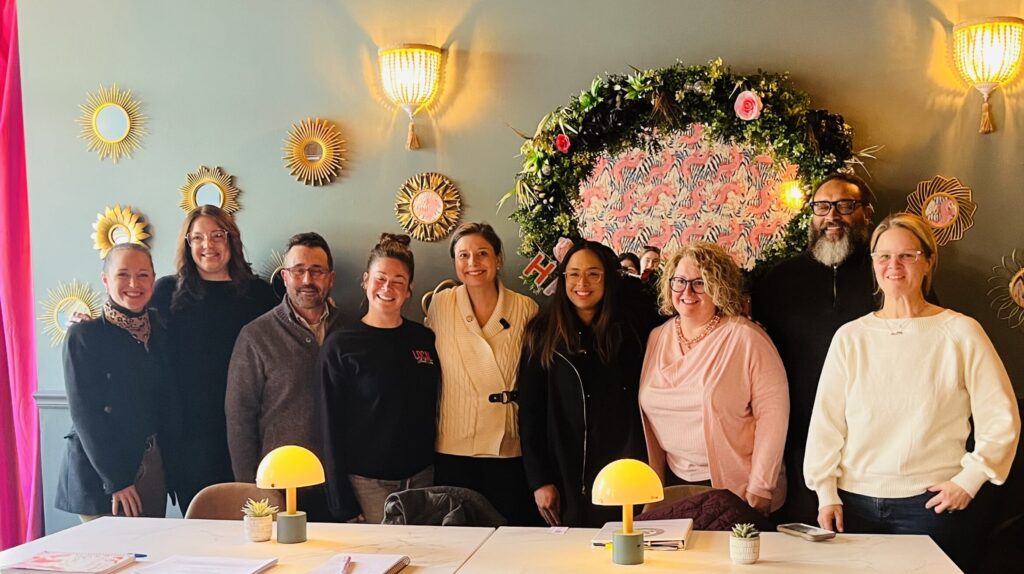
Congresswoman Maggie Goodlander sat down with downtown business owners on Thursday at Local Street Eats to discuss these ongoing challenges, and what can be done in Congress to ease the strain.
In some cases, the strain has led some businesses to close their doors, which Drift and Fouad Mafuz – owner of PRG rugs – said contributes to a negative perception of Nashua’s downtown as one that is struggling, when Mafuz said it’s as strong as it’s been in decades.
Also adding to this perception is a lack of foot traffic, which Lawrence believes to be one of the biggest challenges facing the downtown, as foot traffic is “the blood life of the entire community.”
It was said that the parking regulations downtown– and lack of continuity and transparency surrounding them – could be adding to the problem.
According to Goodlander, the current economic anxiety being felt stems from decisions made at the federal level – such as “unilateral use of tariffs” and funding cuts to longstanding programs like the Small Business Administration (SBA) – as well as a system that caters to big businesses.
“Life has never been better for the biggest businesses in our country,” she said. “They’ve just gotten the biggest tax breaks in a generation in the last year, and the rules of the road are written for them and not for you.”
Goodlander said she believes there is a lot more that Congress can do on a bipartisan basis that would benefit the bottom lines for small businesses.
While not addressing the core drivers of uncertainty directly, she believes the most progress has been made by cutting “red tape” for small businesses.
“You show me red tape,” she said. “We will find a way to cut it together.”